
Reverse Mortgage in TorontoDecades of Equity in Canada’s Largest City
Toronto is Canada’s most valuable housing market — and for homeowners who bought here in the 1980s, 90s, or early 2000s, the equity that has accumulated is substantial. The average detached home in Toronto now sells for well over $1 million. That equity is real, it’s yours, and a reverse mortgage is the mechanism that lets you access it without selling, without moving, and without monthly payments.
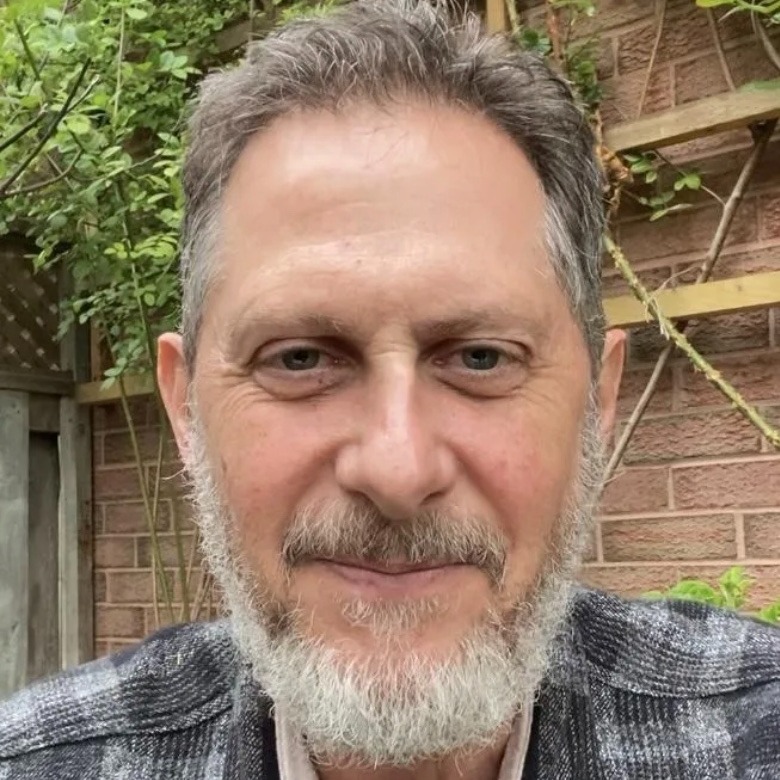
Guidance from Peter Fabry, Licensed Mortgage Broker.
Independent advice from a veteran mortgage professional — no lender bias, plain-language explanations, and options beyond a single reverse mortgage lender.
Toronto — What I See in This Market
My wife Irene grew up on Beresford Avenue in the Runnymede and Bloor West Village area. Her parents were Polish immigrants who settled near Roncesvalles in the 1950s — part of a wave of new Canadians who found their footing in that neighbourhood. Her mother worked in the garment industry. Her father started out at Silverthorn Dairy out of Kensington Market. The house they could afford on those wages — the kind of place a dairy driver and a seamstress could buy — is worth well over a million dollars today.
That story is Toronto. Hard-working people bought modest homes in established neighbourhoods, stayed, raised families, and watched those homes become the most significant financial asset they ever owned. The equity didn’t come from speculation. It came from time.
The homeowners I talk to from Toronto typically aren’t looking to sell. The neighbourhood is home. The question is how to access what’s sitting inside the walls without uprooting everything they’ve built. A reverse mortgage is the answer to that question.
What I bring to that conversation is something a call centre can’t: an independent view across all four lenders, knowledge of the fine print that varies between them, and no financial interest in which one you choose. Getting my input costs you nothing — and it protects you from the details that are easy to overlook when you’re dealing with a single lender directly.
How Much Could a Toronto Homeowner Access?
Toronto falls within the large urban centre tier used by reverse mortgage lenders. Most detached properties in established Toronto neighbourhoods fall in the $1.0M–$1.4M range and above. Here’s what the current lending guidelines mean in dollar terms.
| Age | $1,000,000 home | $1,400,000 home |
|---|---|---|
| 55–59 | $344,000 – $378,000 | $482,000 – $529,000 |
| 60–64 | $370,000 – $406,000 | $518,000 – $568,000 |
| 65–69 | $396,000 – $436,000 | $554,000 – $610,000 |
| 70–74 | $440,000 – $484,000 | $616,000 – $678,000 |
| 75–79 | $509,000 – $560,000 | $713,000 – $784,000 |
| 80+ | $550,000 – $590,000 | $770,000 – $826,000 |
Estimates based on lender LTV guidelines for major urban centres. Actual amounts depend on your specific property, postal code, appraisal, and lender. The calculator below gives you a closer estimate — to know what you qualify for, contact me directly.
Not All Reverse Mortgages Are the Same
In Toronto, homeowners can compare all four reverse mortgage lenders. That competition is useful — but the rates, set-up costs, renewal terms, available amounts, and fine print are not the same.
A reverse mortgage specialist can compare the lenders for you, explain the fine print in plain language, and help you avoid costly mistakes — with no extra cost to you.
Find the Best Reverse Mortgage Lender for Your Toronto Home
Use the free calculator to see a quick estimate of how much equity you may be able to access — compare lump sum and monthly income options across Canada’s reverse mortgage lenders.
How a Reverse Mortgage Works
A reverse mortgage is a loan secured against your home. You receive the money tax-free — as a lump sum, in monthly deposits, or both — and you make no monthly payments. The loan is repaid when you sell, move, or pass away.
A common concern is whether interest will erode your equity over time. Lenders have thought carefully about this. They look at your postal code, compare it against decades of local home appreciation data, and use your age to determine how much to lend. The intent is that only a portion of your home’s value is accruing interest — while the full value of your home continues to appreciate. Based on historical data, 98% of reverse mortgage borrowers continue to see their home equity preserved or grow over time, even after getting a reverse mortgage. Your heirs still receive whatever equity remains after the loan is repaid.
Start the 30-Second Recommendation Form
Answer a few quick questions so I can help identify which reverse mortgage lender may fit your age, home, location, and goals best.
Prepared by Peter Fabry, Licensed Mortgage Broker — independent, no lender bias.
Frequently Asked Questions — Toronto Reverse Mortgage
Toronto home values have been volatile lately. Does that affect my application?
Lenders appraise your home at today’s value when you apply — that’s the number the calculation is based on. For Toronto homeowners who bought decades ago, even with recent softening the equity accumulated over 20 or 30 years is still substantial.
The LTV percentages lenders use are designed with long-term market behaviour in mind, not short-term fluctuations.
We still have a mortgage. Can we qualify?
Yes. Every lender requires that any existing mortgage, HELOC, or lien be paid out from the reverse mortgage proceeds first. As long as you qualify for enough to cover those balances, you can proceed. Given Toronto home values, most homeowners qualify for well more than enough to clear an existing balance and still have significant funds remaining.
Will this affect our CPP, OAS, or GIS?
Money from a reverse mortgage is a loan against your own equity — not income. It does not affect CPP or OAS. GIS is income-tested, and loan proceeds are not considered income, so a reverse mortgage generally won’t affect GIS either. For most clients there is no impact on government benefits at all.
What happens to the equity that’s left when we sell?
The reverse mortgage balance — original loan plus accumulated interest — is repaid from the sale proceeds. Everything left over goes to you or your estate. It works exactly like any other mortgage you’ve ever had: when you sell, the lender gets their money back and you keep whatever’s left.
We’re in a condo, not a detached house. Can we still qualify?
Yes, condos qualify. Lenders do apply slightly different guidelines for condos versus detached properties — the percentage you can access may vary, and some lenders have minimum value thresholds. That’s exactly the kind of detail I sort out on your behalf before we submit anything. The process is the same; the fine print differs slightly.
How long does the process take from application to receiving funds?
Typically four to six weeks from the time we submit a complete application. The main variable is the appraisal — lenders order an independent appraisal and scheduling can add time. I manage the process from start to finish and keep you updated at every step.
About Peter Fabry
By Peter Fabry, B.Comm. — Licensed Mortgage Professional in Canada since 1999 — Founder of Rewind Mortgage — Former Director, major Canadian bank.
I’ve spent over 25 years in mortgage finance. Reverse mortgages have been my primary focus for the past several years — because they solve a real problem for Canadian homeowners who have done everything right but find their wealth locked up in their home.
I’m independent. I work with all four reverse mortgage lenders in Canada, which means I can compare options instead of steering you to one lender.
Credentials include a B.Comm. in Economics/Finance from the University of Guelph, Financial Services Underwriting training from Seneca College, Canadian Securities Institute education, and licensing with provincial mortgage regulators.
License: Peter Fabry — ON M08003151 | NS 025-3000791 | NB 240059400 | NL 25-08-PF067-1 | PEI 727141681